Understand the Science. Make Better-Informed Decisions.
Clear, physician-guided information to help patients better understand wellness, medical weight management, regenerative care and emerging approaches in medicine.
FEATURED ARTICLE · REGENERATIVE MEDICINE
Understanding Wharton’s Jelly Umbilical Cord – Mesenchymal Stromal Cell (WJ UC-MSC): What Patient Should Know
A practical introduction to regenerative medicine, including how patients are assessed, why treatment should be individualized, and why some approaches remain investigational.
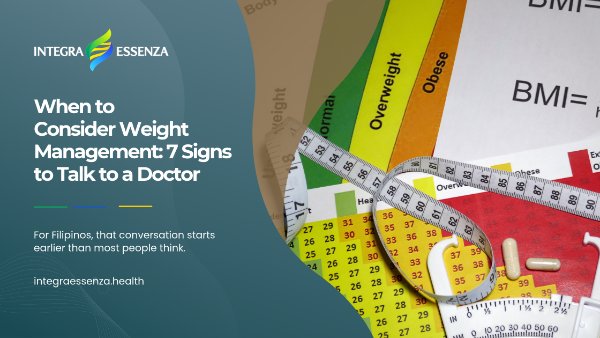
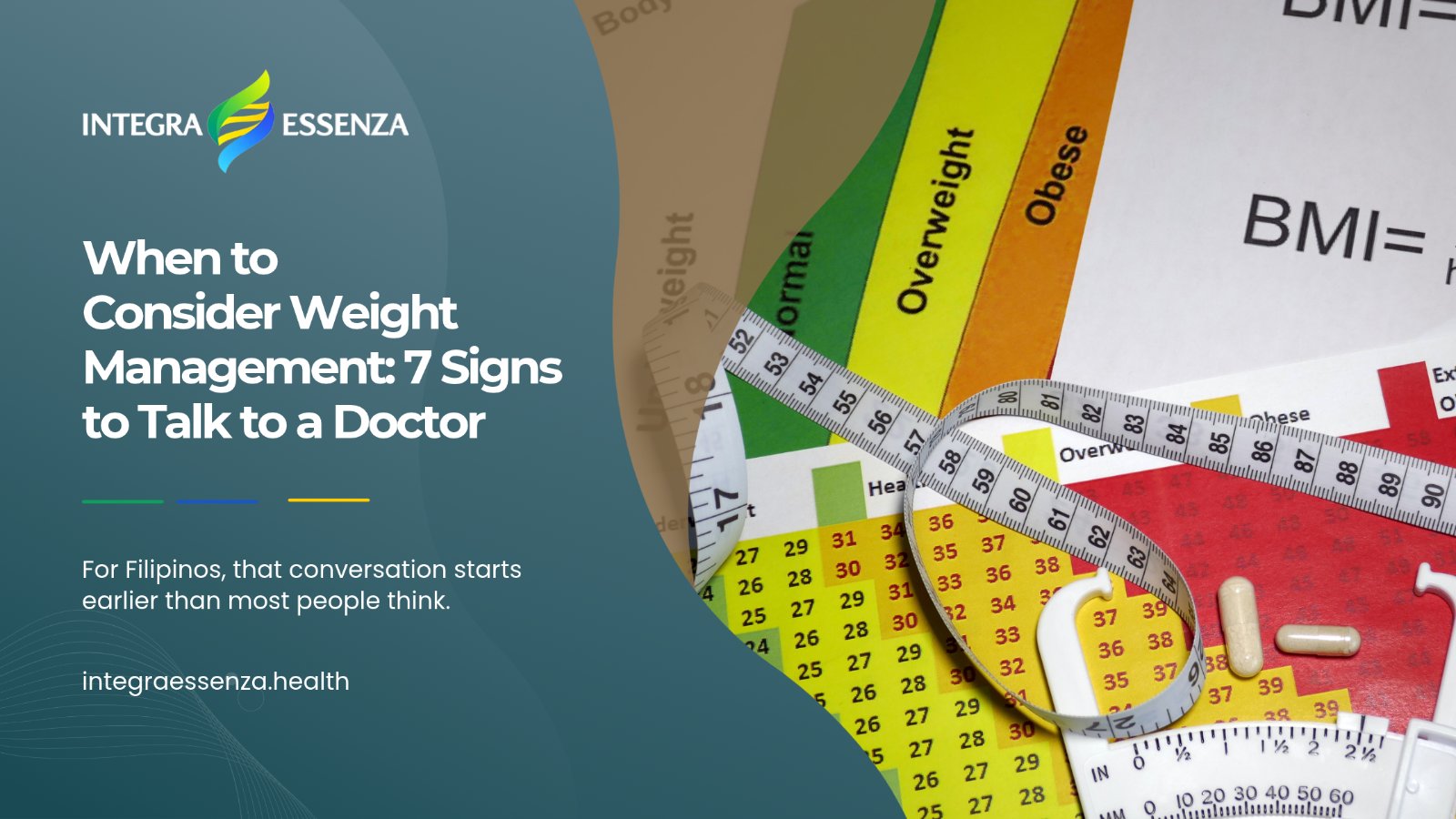
When to Consider Weight Management: 7 Signs to Talk to a Doctor
Posted on by Integra Essenza Medical Team
14 Nov
When to Consider Weight Management: 7 Signs to Talk to a Doctor
It's worth talking to a doctor about weight
management if your BMI is 23 or higher, your waist measures 90 cm or more
(men) or 80 cm or more (women), your annual physical flagged your blood
pressure, blood sugar or cholesterol, you've gained steadily for years,
diabetes or heart disease runs in your family, the weight keeps coming back
after you've tried on your own, or you're considering weight-loss injections
or pills. None of these is a diagnosis. Each one is a reason to get assessed.
Most people don't wake up one
day and decide to see a doctor about their weight. It creeps up. The pants that
fit last Christmas don't fit this one. The annual physical comes back with a
number circled in red. A sibling gets diagnosed with something, and suddenly
the family group chat is full of advice.
The trouble is that weight is
one of the few health topics where everyone feels qualified to give an opinion,
and almost nobody is looking at the full picture. So here's a calmer way to
think about it: a short list of signs that make a doctor conversation
worthwhile. Not a verdict. Just a list.
1. Your BMI is 23 or higher
Body mass index is your weight
in kilograms divided by your height in meters squared. Someone who is 1.60 m
tall and weighs 59 kg has a BMI of about 23.
You've probably heard that
"overweight" starts at 25. That's the international cut-off. But a WHO expert consultation
published in The Lancet found that a substantial share of Asians face a
high risk of type 2 diabetes and cardiovascular disease at BMIs below 25, and
it identified 23 as a public health action point for Asian populations.
BMI is a blunt tool. It can't
tell muscle from fat, and two people with the same number can be in very
different places. That's exactly why it's a reason to talk to a doctor rather
than a conclusion on its own.
2. Your waist is 90 cm or more (men) or 80 cm or more (women)
To measure, stand relaxed,
breathe out, and wrap a tape measure around your middle, halfway between your
lowest rib and the top of your hip bone. Keep it snug but not tight. Write the
number down and bring it to your appointment.
3. Your annual physical flagged something
In the Philippines, a lot of
people only see their numbers once a year, in the company APE. If your blood
pressure, fasting blood sugar or cholesterol came back marked high or
borderline, that's worth a follow-up conversation, especially if your weight has
also gone up.
Public health guidance from the US
Office of Disease Prevention and Health Promotion notes that for people
carrying extra weight who also have risk factors like high blood pressure or
high cholesterol, losing weight may improve their health. Which risk factors
apply to you, and what to do about them, is a question for a physician who can
see your actual results.
4. You've gained steadily over the years
A few kilos a year doesn't feel
like much in any single year. Over a decade, it adds up. If you can trace a
steady climb back to a new job, a new baby, a move to night shift or the switch
to working from home, that pattern is worth looking at before it goes further.
5. Diabetes or heart disease runs in your family
Family history doesn't decide
your future, but it changes how early it makes sense to get a baseline. If a
parent or sibling has been diagnosed with either, it's reasonable to have your
own numbers checked and to talk about weight as part of that conversation.
6. You've tried on your own, and it keeps coming back
If you've lost weight more than
once and watched it return, you're far from alone, and it doesn't mean you
lacked discipline. Weight is affected by sleep, stress, work schedules,
medications and health conditions that a diet plan from the internet can't see.
A physician can look at those factors with you and build a plan around them.
7. You're thinking about weight-loss injections or pills
Weight-loss medications are
everywhere on social media right now, sold through DMs and group chats with no
doctor involved. Some are prescription medicines that need proper screening,
dosing and monitoring. Some aren't registered in the Philippines at all.
If you're considering any of
them, that's a strong sign to see a physician first. A doctor can tell you
whether medication makes sense for you, which options are registered here, and
what monitoring you'd need. That conversation should happen before the purchase,
not after.
A sign is a reason to talk, not a diagnosis
None of these signs means
something is wrong. Plenty of people tick one or two boxes and turn out to be
in good shape. Others tick none and still benefit from a check. The point of
the list is to replace guessing with information.
One more thing worth saying: if
food, dieting or your weight has ever felt like it was controlling you, tell
your doctor at the start. It changes what a good plan looks like, and a good
physician will want to know.
What a weight management consultation looks like
At Integra Essenza, Medical
Weight Management starts with a physician, not a package. Here's what happens:
•
A physician assessment to set your baseline:
your history, your current numbers and what you want to change.
•
A review of your recent labs. If you don't have
any, our partner clinical laboratory can collect samples at the clinic.
•
An individualized plan built around your
schedule, your health history and your findings. No two plans are the same.
•
The Integra Essenza app to track your progress,
with a knowledge base you can check any time.
•
Ongoing monitoring with follow-up consults in
the clinic or by teleconsultation, so your plan changes as you do.
It begins with a
teleconsultation, so you can start from home. If your physician concludes the
program isn't the right fit for you, they'll tell you at the consultation.
The international cut-off for
overweight is a BMI of 25. A WHO expert consultation found that many Asians
face higher health risks at lower BMIs and identified 23 as a public health
action point for Asian populations. Your physician will interpret your BMI
alongside your waist measurement, labs and history.
How do I measure my waist
correctly?
Stand relaxed and breathe out.
Wrap a tape measure around your middle, halfway between your lowest rib and the
top of your hip bone, snug but not tight. International criteria for Asians use
90 cm for men and 80 cm for women as the cut-offs for central obesity.
How much weight loss actually
makes a difference?
Less than most people think. US
public health guidance from the Office
of Disease Prevention and Health Promotion says that losing 5 to 10 percent
of body weight may bring health benefits. Your physician will set goals around
your own numbers rather than a target from the internet.
Do I need a referral to see a
doctor about weight management?
No. You can book a
teleconsultation directly. Bring any recent lab results and your waist
measurement if you have them.
Should I try weight-loss
injections I've seen online?
Talk to a physician first. Some
of these are prescription medicines that need screening and monitoring, and
some aren't registered in the Philippines. A doctor can tell you whether
medication is appropriate for you at all.
This
article is for educational purposes only and does not replace medical advice.
Speak with your licensed physician about weight management options that are
registered in the Philippines and suited to your health history.
Almost half of Filipino adults now fall in the obesity range
Posted on by Integra Essenza Medical Team
06 Nov
That's the headline finding of the 2025
Updating Survey by the Department of Science and Technology's Food and
Nutrition Research Institute (DOST-FNRI). Among adults aged 20 to 59, the share
in the obesity range rose from 39.8% in 2023 to 44.5% in 2025.
It's a number that's easy to share and easy to misread,
mostly because of one detail in how it was measured. Here's what the survey
actually measured, where the numbers are highest, and what's realistic to do
with it.
How many Filipino adults are in the obesity range?
According to FNRI, 44.5% of Filipino adults aged 20 to 59
were classified as obese in 2025, nearly five percentage points higher than the
2023 National Nutrition Survey. Another 17.1%, about two in ten adults, were
classified as overweight, as
reported by BusinessWorld.
The National Nutrition Council
noted that overweight and obesity worsened across nearly all age groups between
2023 and 2025, falling short of the reduction targets in the Philippine Plan of
Action for Nutrition 2023 to 2028.
Why does the number seem so high?
Because the survey uses the Asia-Pacific BMI classification,
not the global one.
Body mass index (BMI) is your weight in kilograms divided by
your height in meters, squared. Under the global WHO classification, obesity
starts at a BMI of 30. Under the Asia-Pacific classification used by FNRI, obesity
starts at 25, and overweight at 23 to 24.9. The lower cutoffs exist because
Asian populations tend to face health risks at lower body weights than the
populations the global cutoffs were based on.
So a Filipino adult with a BMI of 26 would be counted as
"overweight" in many Western reports, and as "obese" in
this one. That's worth knowing before you compare these figures with numbers
from other countries, and before you draw conclusions about yourself.
BMI is also a screening measure, not a diagnosis. It doesn't
distinguish muscle from fat, and it says nothing about where weight is carried
or how your labs look. It's a starting point for a conversation with a
physician, nothing more.
Who is most affected?
The survey found the highest obesity prevalence among three
groups, according to Rappler's
report on the FNRI findings:
•
Women: 50.1%
•
Urban residents: 48.3%
•
Adults in the wealthiest households: 57.8%
The last figure surprises many people. FNRI data showed that
as households gain more means to buy food, obesity becomes more common, and
regions with larger urban populations tended to have higher rates, Rappler
noted.
For families in Metro Manila and nearby cities like
Muntinlupa, Las Piñas, Bacoor and Santa Rosa, this is the group the data points
to: urban, busy, and with more food choices than ever.
What does the survey say is driving it?
FNRI pointed to persistent behavioral risk factors: physical
inactivity, smoking and alcohol use. The National Nutrition Council added
rapidly shifting dietary patterns and more sedentary daily lives, in what it
called an increasingly obesogenic environment, meaning surroundings that make
high-calorie food easy and movement optional.
FNRI researchers also made a point that's worth repeating at
every family table: eating a lot isn't the same as eating well. A plate can be
full and still be short on what the body needs.
The picture for younger Filipinos is moving in the same
direction. Physical inactivity among adolescents aged 10 to 19 rose from 75.5%
in 2023 to 77.5% in 2025.
What can you do with this information?
National numbers describe a population. They don't describe
you. But the habits behind them are the same ones most of us can work on, and
none of them require a gym membership or a special diet.
Fill half your plate with vegetables and fruit. The
FNRI's Pinggang Pinoy puts
vegetables and fruit on half the plate, rice and other Go foods on about a
third, and fish, meat, eggs or beans on about a sixth.
Count minutes of movement. The WHO recommends
150 to 300 minutes of moderate activity a week for adults, and says some
activity is better than none. A brisk 30-minute walk five days a week reaches
the lower end. Housework, walking to places and taking the stairs all count.
Watch the drinks. WHO recommends keeping free sugars
under 10% of daily energy, ideally under 5%. A single can of soda can contain
up to about 10 teaspoons. Water on the table at every meal is an easy default.
Protect your sleep. Adults are recommended at least
seven hours a night. Short sleep makes everything else harder to keep up.
Know your own starting point. The most useful number
isn't the national one. It's yours: your history, your recent labs, and how
your weeks actually go.
Frequently asked questions
What BMI counts as obese in the Philippines?
FNRI uses the Asia-Pacific classification, where a BMI of 25
or higher is classified as obese, and 23 to 24.9 as overweight.
When was the 2025 FNRI survey conducted?
The 2025 Updating Survey ran from April 2025 to March 2026,
through face-to-face interviews in sample households across 118 areas of the
country.
Why do wealthier Filipinos have higher obesity rates?
FNRI data shows obesity becomes more common as households
gain more means to buy food. Urban living, more processed and restaurant food,
and less daily physical activity are part of the picture.
Is BMI enough to know if my weight is a health concern?
No. BMI is a screening tool. A physician looks at it
alongside your health history, waist measurement, lab results and lifestyle
before drawing any conclusions.
We work alongside existing medical care. If you'd like a
physician to look at your own history and numbers, that conversation starts
with an assessment.
This article is for educational purposes only and does not
replace medical advice. Speak with your licensed physician about weight
management options suited to your health history.
What Is Retatrutide? A Plain-Language Guide to the Investigational Triple-Hormone Medicine
Posted on by Dr. Bogs Rivera
02 Nov
Please note: Retatrutide is an investigational medicine: it is not approved by the Philippine FDA, and the doses below are those used in clinical trials. This article explains published research in plain language. It is not medical advice and not dosing advice — never use an injectable medicine without a physician's prescription and supervision.
Retatrutide: Product Overview
Retatrutide (LY3437943) is an investigational once-weekly injectable peptide developed by Eli Lilly. It activates three hormone receptors, GLP-1, GIP and glucagon, and is being studied for obesity, type 2 diabetes and related metabolic conditions. Lilly has reported results from five Phase 3 trials.
Product profile
Attribute
Detail
Generic name
Retatrutide
Development code
LY3437943
Developer
Eli Lilly and Company
Drug class
Triple hormone receptor agonist (incretin-based)
Receptor targets
GLP-1, GIP and glucagon
Molecule type
Single acylated peptide
Route
Subcutaneous injection
Dosing frequency
Once weekly
Doses studied in Phase 3
4 mg, 9 mg and 12 mg
Conditions studied
Obesity and overweight, type 2 diabetes, knee osteoarthritis pain, obstructive sleep apnea, cardiovascular disease, fatty liver disease
Development stage
Phase 3, investigational
Informal names
“Triple G.” It’s also called “GLP-3” online, but no hormone by that name exists.
Mechanism of action
Retatrutide is one molecule that copies the action of three gut and metabolic hormones. Earlier incretin medicines act on one or two of these receptors.
Medicine
GLP-1
GIP
Glucagon
Semaglutide
Yes
No
No
Tirzepatide
Yes
Yes
No
Retatrutide
Yes
Yes
Yes
GLP-1 receptor. Acts on appetite centers in the brain and slows gastric emptying, so food intake drops and fullness lasts longer.
GIP receptor. Supports glucose-dependent insulin release from the pancreas after meals and influences how fat tissue stores and handles energy.
Glucagon receptor. Signals the liver to release and use stored energy. Researchers believe this arm raises energy expenditure and increases fat oxidation in the liver, which would add to the reduced intake driven by GLP-1. It’s also the likely source of side effects seen more with retatrutide than with older drugs, such as a higher resting heart rate and dysesthesia.
No published trial has compared retatrutide head to head with semaglutide or tirzepatide.
Clinical trial program
Retatrutide has met its primary endpoints in every Phase 3 trial reported so far. Weight figures below are the mean change at the highest dose versus placebo, using the efficacy estimand (participants who stayed on treatment) unless noted.
Severe obesity with established cardiovascular disease
1,949
80 weeks
-22.6% body weight at 12 mg vs -3.2%
TRANSCEND-T2D-1, a 40-week Phase 3 trial in type 2 diabetes, reported -16.8% body weight at 12 mg. Phase 3 programs in chronic low back pain, cardiovascular and renal outcomes, and fatty liver disease are ongoing.
TRIUMPH-1 and TRIUMPH-2 were published on September 29, 2026, in the New England Journal of Medicine and The Lancet respectively. TRANSCEND-T2D-1 appeared in The Lancet in June 2026.
TRIUMPH-1 in detail
TRIUMPH-1 is the largest retatrutide trial to date. Participants averaged 112.7 kg at baseline with a mean BMI of 40.0, and were randomized 1:1:1:1 to 4 mg, 9 mg, 12 mg or placebo for 80 weeks.
Results are reported two ways. The treatment-regimen estimand counts every participant who started, including those who stopped treatment, and is the primary result in the NEJM paper. The efficacy estimand estimates the effect had everyone stayed on treatment, and is the figure used in Lilly’s topline announcement.
Group
Weight change, treatment-regimen
Weight change, efficacy
Lost 30% or more of body weight
Retatrutide 4 mg
-17.6%
-19.0%
15.3%
Retatrutide 9 mg
-23.7%
-25.9%
37.9%
Retatrutide 12 mg
-25.0%
-28.3%
45.3%
Placebo
-3.9%
-2.2%
0.5%
At 80 weeks, 65.3% of participants on 12 mg had a BMI below 30.
104-week extension. 532 participants who started with a BMI of 35 or more continued for another 24 weeks, escalating to their maximum tolerated dose (9 or 12 mg). Mean weight change at 104 weeks was -27.9%, -29.5% and -30.3% for the groups originally assigned 4, 9 and 12 mg, and -19.2% for those switched from placebo.
Knee osteoarthritis basket (574 participants). Reductions in WOMAC knee pain score exceeded the 4-point clinically meaningful threshold, reaching more than 70%.
Obstructive sleep apnea basket (243 participants). Reductions in the apnea-hypopnea index exceeded 15 events per hour, reaching more than 60%.
Cardiometabolic markers. Lilly reported improvements in waist circumference, non-HDL cholesterol, triglycerides, systolic blood pressure and high-sensitivity C-reactive protein.
Safety and tolerability
The safety profile is broadly consistent with other incretin-based medicines. Gastrointestinal effects are the most common, are mostly mild to moderate, and cluster during dose escalation. In the Phase 2 trial, starting at 2 mg instead of 4 mg partly reduced them.
Most common adverse events in TRIUMPH-1
Adverse event
4 mg
9 mg
12 mg
Placebo
Nausea
28.6%
38.4%
42.4%
14.8%
Diarrhea
25.2%
34.1%
32.0%
13.5%
Constipation
23.8%
25.9%
26.1%
10.9%
Vomiting
10.6%
22.8%
25.3%
4.8%
Dysesthesia
5%
12%
13%
1%
Stopped treatment due to adverse events
4.1%
6.9%
11.3%
4.9%
Any treatment-emergent adverse event was reported by 87% to 89.2% of retatrutide participants and 80.7% on placebo, according to the TRIUMPH-1 presentation at ADA 2026.
Dysesthesia across the TRIUMPH trials
Dysesthesia, a burning, tingling or oversensitive feeling on the skin, isn’t a recognized effect of GLP-1 or GIP medicines. The glucagon component is the working explanation. Lilly’s medical information team reports events were mostly mild to moderate.
Trial
4 mg
9 mg
12 mg
Placebo
TRIUMPH-1
5%
12%
13%
1%
TRIUMPH-2
4%
6%
7%
1%
TRIUMPH-3
Not studied
6%
6%
1%
TRIUMPH-4
Not studied
9%
21%
1%
Discontinuation in other trials. Stopping due to adverse events was 3.8%, 11.6% and 7.7% at 4, 9 and 12 mg in TRIUMPH-2 (placebo 4.9%), and 9.8% and 13.5% at 9 and 12 mg in TRIUMPH-3 (placebo 4.8%), per Lilly’s TRIUMPH-2 and TRIUMPH-3 results.
Heart rate. In the Phase 2 trial, resting heart rate rose with dose, peaked at about 24 weeks and declined afterward.
Other adverse events of special interest in TRIUMPH-1 included injection site reactions and gastrointestinal events.
This article is for educational purposes only and does not replace medical advice. Speak with your licensed physician about weight management options that are available to you in the Philippines and suited to your health history.
What Is NAD+? A Plain-Language Guide to the Cellular Energy Coenzyme
Posted on by Dr. Bogs Rivera
26 Oct
NAD+: Product Overview
NAD+ (nicotinamide adenine dinucleotide) is a coenzyme found in every living cell. It carries electrons in energy production and is used up by enzymes that handle DNA repair, gene regulation and cell signaling. The body makes it from forms of vitamin B3 and from the amino acid tryptophan.
Dinucleotide coenzyme (a pyridine nucleotide), not a peptide
Building blocks
Nicotinamide mononucleotide (NMN) and adenosine monophosphate (AMP), joined by a pyrophosphate bridge
Where it’s found
Every cell, in the cytoplasm, mitochondria and nucleus
Made from
Vitamin B3 forms (nicotinamide, nicotinic acid, nicotinamide riboside) and tryptophan
Related molecule
NADP+/NADPH, which carries one extra phosphate and supports building new molecules and antioxidant defense
Common forms
IV infusion, injection under the skin or into muscle, and oral precursors (NR, NMN). Oral NAD+ itself is poorly absorbed.
Stability
Most stable in mildly acidic solution, breaks down in alkaline conditions
NAD+ is not a peptide
NAD+ is often sold alongside peptides in longevity and recovery clinics, and you’ll see it called an “NAD peptide.” That’s a mistake. NAD+ contains no amino acids and no peptide bonds. The label comes from clinics offering it together with peptides such as BPC-157 or GHK-Cu, not from its chemistry.
Feature
NAD+
Peptides
Chemical class
Pyridine nucleotide coenzyme
Short chains of amino acids
Building blocks
Nicotinamide, adenine, ribose sugars, phosphates
Amino acids
Main bonds
Pyrophosphate bridge and glycosidic bonds
Peptide (amide) bonds
Main job
Carries electrons, and is used up by regulatory enzymes
Usually binds cell receptors to send signals
Where it works
Inside cells: cytoplasm, mitochondria, nucleus
Mostly outside cells, at receptors on the cell surface
Main stability risk
Breakdown in alkaline solution
Enzyme cleavage, heat damage, clumping
What NAD+ does
NAD+ has two quite different jobs. In energy production it’s recycled over and over. As a fuel for regulatory enzymes, it’s destroyed each time it’s used.
Job 1: carrying electrons. NAD+ picks up two electrons and a proton (together, a hydride ion) and becomes NADH:
This happens during glycolysis, the citric acid (TCA) cycle and fat breakdown. NADH then hands its electrons to Complex I of the mitochondrial electron transport chain, which builds the proton gradient that drives ATP production. The NAD+/NADH ratio acts as a signal of the cell’s energy state. In this role NAD+ isn’t used up. NAD(P)(H) takes part in more than 400 enzyme reactions.
Job 2: fuel for regulatory enzymes. Several enzyme families split NAD+ into nicotinamide and an ADP-ribose fragment, consuming it each time.
Enzyme family
What it does
How it uses NAD+
Sirtuins (SIRT1 to SIRT7)
Remove acetyl tags from proteins, regulating gene activity, mitochondrial function and stress responses. SIRT3 works inside mitochondria.
One NAD+ consumed per reaction
PARPs (mainly PARP1)
Detect DNA breaks and build poly(ADP-ribose) chains that recruit repair proteins
Heavy use. Massive DNA damage can drain NAD+ enough to kill the cell, a process called parthanatos.
CD38 and CD157
Membrane enzymes that break down NAD+ and make calcium-signaling molecules
The main NAD+-degrading enzymes in many tissues
SARM1
Drives the self-destruction of damaged nerve fibers
Rapidly destroys local NAD+ after nerve injury
CD38 and aging. In mice, CD38 levels and activity rise with age, and CD38 was required for the age-related NAD+ decline. A 2020 study found that inflammatory signals from senescent cells push tissue macrophages to make more CD38. CD38 also breaks down NMN, which matters for NAD+-boosting supplements.
How the body makes NAD+
Cells keep their NAD+ supply topped up through three routes that converge on the same end product.
Pathway
Starting material
Key steps
Importance
Salvage
Nicotinamide (NAM), released every time sirtuins, PARPs or CD38 use NAD+
NAMPT converts NAM to NMN (the rate-limiting step), then NMNAT1 to 3 convert NMN to NAD+
The main route in most tissues
Preiss-Handler
Nicotinic acid (niacin) from food
NAPRT makes NaMN, NMNAT makes NaAD, then NAD synthetase makes NAD+
Important in the liver and kidney
De novo
The amino acid tryptophan
The kynurenine pathway makes quinolinic acid, which joins the Preiss-Handler route at NaMN
Smaller contribution, mainly in the liver
The main oral precursors.
Nicotinamide riboside (NR) enters cells through nucleoside transporters, and NRK1 and NRK2 then convert it to NMN. It’s been studied more than any other NAD+ booster in human trials.
Nicotinamide mononucleotide (NMN) is one step from NAD+. How it gets into cells is still debated. A transporter called Slc12a8 has been proposed, but some researchers argue NMN is mostly converted to NR first and enters that way.
NAD+ levels clearly fall with age in rodents, but the human picture is thinner, and raising NAD+ hasn’t yet translated into proven health benefits.
In animals. NAD+ declines in many aged rodent tissues, though the size of the drop varies widely. In skeletal muscle, reported declines range from about 15% to 65%. Mice without CD38 keep higher NAD+ levels and show little or no decline with age.
In humans. Two MRI studies found brain NAD+ about 10% to 25% lower in old age than in young adulthood. Liver samples from people over 60 showed about 30% less NAD+ than samples from people under 45. A 2021 review concluded that the evidence for a universal age-related decline is limited and often confined to a single tissue. A 2025 Nature Metabolism review agreed that human data remain sparse.
Raising NAD+ in people. Oral NR and NMN reliably increase NAD+ in blood. The same 2025 review found that human trials have so far shown limited effects on health outcomes. Most trials have been small and short, with varied doses, which makes results hard to compare. No controlled trial has shown that raising NAD+ slows aging or extends human lifespan.
Routes, human evidence and IV infusion effects
Route
How it behaves
Human evidence
Oral NAD+
Largely broken down in the gut into smaller precursors before absorption
Little direct data
Oral NR or NMN
Absorbed and converted to NAD+ inside cells
The best-studied route. Reliably raises blood NAD+.
IV NAD+
Delivered straight into the bloodstream
Small pharmacokinetic and tolerability studies only
Injection under the skin or into muscle
Slower absorption than IV
Very limited published data
What happens to IV NAD+. In a 2019 pilot study, healthy men received 750 mg of NAD+ over 6 hours, about 2 mg per minute. Plasma NAD+ didn’t rise at all for the first 2 hours, meaning it was removed from the blood as fast as it went in. The breakdown products pointed to enzymes on cell surfaces splitting NAD+ outside cells. No adverse events occurred at that slow rate.
Infusion side effects. At faster, commercially typical rates, side effects are common:
In a randomized pilot study, 500 mg of IV NR was faster to infuse and better tolerated than 500 mg of IV NAD+. Blood NAD+ was higher 3 hours after NR.
In a 2026 real-world study of 500 mg daily for four days, people receiving NAD+ IV reported moderate to severe gastrointestinal symptoms, faster heart rate and chest pressure. Symptoms stopped when the infusion ended. NAD+ infusions averaged 97 minutes against 37 minutes for NR, because they had to be slowed.
Both studies were small and funded by an NR manufacturer, so independent data are still needed.
Why it happens. Reported symptoms include nausea, abdominal cramping, chest tightness, flushing, headache and a racing heart. They’re closely tied to infusion speed and usually ease when the drip is slowed. The exact mechanism hasn’t been established. One explanation is that rapid breakdown of NAD+ in the blood releases adenosine-related products that act on receptors in blood vessels, the gut and the heart. This hasn’t been confirmed in human studies.
Interaction to note. PARP inhibitor cancer drugs such as olaparib work partly through NAD+-dependent DNA repair pathways. Whether added NAD+ affects them hasn’t been studied, so anyone on cancer treatment should check with their oncologist.
Stability, storage and handling
NAD+ and NADH have opposite weak points, and NAD+ breaks down differently from peptides.
Form
Stable in
Breaks down in
NAD+ (oxidized)
Mildly acidic solution
Neutral to alkaline solution, where the nicotinamide ring is attacked and opens
NADH (reduced)
Alkaline solution
Acidic solution
Breakdown you can’t see. A degraded peptide solution may turn cloudy or form particles. NAD+ solutions stay clear as the molecule splits into nicotinamide and ADP-ribose, so appearance can’t confirm potency.
Handling basics for reconstituted NAD+:
Keep refrigerated at 2°C to 8°C
Protect from light
Avoid repeated freezing and thawing
Use promptly after mixing, following the pharmacist’s beyond-use date
Don’t mix in the same syringe or bag with peptides or other products unless a pharmacist has confirmed compatibility. Many peptide formulations use neutral buffers, which speed NAD+ breakdown.
Sterile product quality. Injectable NAD+ must be sterile and tested for bacterial endotoxins. Endotoxin contamination can cause fever, chills and a dangerous drop in blood pressure, and it can’t be seen in the solution.
This article is for educational purposes only and does not replace medical advice. Speak with your licensed physician about NAD+ and longevity options that are available to you in the Philippines and suited to your health history.
Which stem cell treatments are established, and which are still experimental
Posted on by Dr. Bogs Rivera
12 Oct
Which stem cell treatments are established, and which are still experimental
The short answer. FDA Philippines recognizes three widely accepted uses of stem cells: transplantation of blood-forming stem cells, corneal resurfacing with limbal stem cells, and skin regeneration with epidermal stem cells. Any other use is treated as clinical investigation. Before considering an offer, ask which category it belongs to, and expect the answer in writing.
Type “stem cell benefits” into a search bar and you’ll get pages listing dozens of them. The Philippine regulator’s own list of widely accepted applications has three items on it, and it hasn’t grown since 2013.
That gap is the most useful thing a family can understand before anyone pays a deposit. This article explains what the Philippine rules actually say, what “established” and “experimental” mean in practice, and the questions that tell you which side of the line an offer sits on.
It doesn’t tell you whether any treatment is right for you or someone you love. That’s a conversation for the patient’s own doctor.
What counts as an established stem cell treatment in the Philippines?
In August 2013 the Food and Drug Administration issued FDA Circular No. 2013-020, which names three widely accepted stem cell applications:
Application
What it is, in plain terms
Hematopoietic stem cell transplantation
Replacing a patient’s blood-forming cells, using either their own cells or a donor’s. Usually done in tertiary hospitals by specialist teams.
Corneal resurfacing with limbal stem cells
Using stem cells from the edge of the cornea to restore the eye’s surface. A specialized eye procedure.
Skin regeneration with epidermal stem cells
Using cells from the outer layer of skin to grow new skin, as in some severe burn care.
The list is short for a reason. Each of these has a long clinical track record, specialist training built around it, and evidence regulators accept as part of ordinary medicine.
What happens to every other use?
The same circular says that research on these products beyond their approved uses is clinical investigation. It has to follow FDA’s clinical trial process under FDA Circular No. 2012-007 and international Good Clinical Practice guidelines.
So in the Philippine framework, “experimental” is a category with rules attached. A use outside the three is something being studied, and studies come with requirements that protect the person taking part.
Stem cell and cell-based therapies may only be performed in facilities the DOH has accredited for them.
Research and therapies must be approved by an institutional review committee, which is an ethics board that reviews the plan before anyone is treated.
Informed consent must be obtained from the patient or donor for each procedure.
Certain preparations, including human embryonic and aborted fetal stem cells, may not be used or promoted at all.
False claims, including in advertising and marketing, are a violation. Penalties run to suspension or revocation of a facility’s accreditation, without prejudice to criminal action.
In 2014 the FDA’s then Director General said that anyone wanting to offer stem cell treatment beyond the three accepted uses had to register it for either compassionate use or a clinical trial, both of which FDA inspects (Philstar, May 2014).
What does the medical profession’s regulator say?
The Professional Regulatory Board of Medicine, which licenses physicians, issued its own position on stem cell therapy in August 2013. It agreed with the DOH order and stated that stem cell therapy “does not constitute standard care at the present time.”
The Board also agreed that FDA approval is required for several categories, among them genetically altered adult and umbilical cord stem cells, stem cells derived from fat tissue, and live animal stem cells given by injection. It said physicians practicing in this area should have structured, supervised training, and should practice only in DOH-licensed settings such as hospitals and clinics.
Are these rules still current?
Partly, and it’s worth knowing which part is uncertain.
The 2013 framework above is what’s published. In January 2024, after a patient died following treatment at a Quezon City clinic, the Health Secretary announced a review of the 2013 guidelines, including accreditation and licensing. At the time, six facilities held DOH accreditation for stem cell therapy.
The Secretary’s advice to the public at the time was direct: check whether a facility is on the official list, and treat one that isn’t as operating illegally. He noted that most accredited facilities are in large hospitals.
If you read this article months after its review date, check the DOH and FDA pages linked at the end before relying on any detail.
How strong does evidence need to be before something is “established”?
Regulators reach the word “established” slowly, and the reasons are easier to see as a ladder.
Stage
What it shows
What it doesn’t show
Lab and animal studies
That something might be worth testing in people
Anything about what it does in a person
Small early studies in people
Whether it can be given without obvious harm, and early signals worth following
Whether it works, or for whom
Larger controlled trials
What it does compared with a group that didn’t receive it
Long-term effects, unless the trial ran long enough
Repeated trials and long clinical use
A body of evidence strong enough for regulators to treat it as standard care
That it suits every patient
An offer marketed directly to the public may rest on evidence from the first or second rung, which is normal for a field still being researched. The problem starts when an offer is priced, advertised and described as though it were on the fourth.
You can look up studies being conducted in the country through the Philippine Health Research Registry, a public database of health research and clinical trials run by the Philippine Council for Health Research and Development.
Where do “stem cell” capsules and supplements fit?
Any product sold as a food supplement may not claim to treat a disease. You can check whether a product is registered at all through the FDA Verification Portal, by registration number or product name.
How do I tell which category an offer falls in?
Five questions settle most of it. A provider offering something legitimate will answer all of them in writing.
Is this one of the three FDA-recognized applications? If the answer is no, the offer is investigational, and the rest of these questions matter more.
Is the facility accredited by the DOH for cell-based therapy? A general license to operate is a different document. Ask for the accreditation and check it against the HFSRB’s published register.
Is the product registered with FDA, or is this part of an FDA-approved trial? Ask for the registration or the trial’s approval details.
Which ethics committee approved this, and can I see the consent form before I pay anything? AO 2013-0012 requires both review and informed consent.
What does the patient’s own doctor think? Bring the written answers to that appointment.
Urgency is worth noticing too. Limited slots, a price that expires this month, or a reluctance to put anything in writing are reasons to slow down, whichever category the treatment belongs to.
What this article can’t tell you
It can’t tell you whether any stem cell treatment, established or experimental, is appropriate for a particular person. Experimental doesn’t mean useless, and established doesn’t mean suitable for everyone. Those are judgments for the patient’s own physician, with their full history in front of them.
What a family can do without a medical degree is check the category, check the facility, and ask for the answers in writing. That part is yours.
Frequently asked questions
Which stem cell treatments are recognized in the Philippines?
FDA Circular No. 2013-020 names three widely accepted applications: hematopoietic stem cell transplantation, corneal resurfacing with limbal stem cells, and skin regeneration with epidermal stem cells. FDA restated the same three in 2023.
Is stem cell therapy legal in the Philippines?
It’s regulated. Under DOH Administrative Order No. 2013-0012, stem cell and cell-based therapies may only be performed in DOH-accredited facilities, with ethics committee approval and informed consent. Uses outside the three recognized applications are treated as clinical investigation under FDA rules.
What does “experimental” mean for a stem cell treatment?
It means the treatment is still being studied, and the evidence isn’t yet strong enough for regulators to treat it as standard care. In the Philippine framework, it should be offered within FDA’s clinical trial or compassionate use processes, with ethics review and consent.
Are stem cell capsules the same as stem cell therapy?
No. In December 2023 FDA stated that no stem cell capsule was registered with the agency, and it has warned the public against unregistered supplements marketed as oral stem cell therapy. Check any product on the FDA Verification Portal.
How do I check whether a facility is accredited?
Ask for its DOH accreditation for cell-based therapy in writing and compare it with the HFSRB’s published register. A general license to operate doesn’t cover these therapies on its own.
Where can I find stem cell studies being done in the Philippines?
The Philippine Health Research Registry, run by PCHRD, is a public database of health research and clinical trials in the country.
What Are Peptides? A Plain-Language Guide to Therapeutic and Bioactive Peptides
Posted on by Dr. Bogs Rivera
08 Oct
Peptides: Product Overview
Peptides are short chains of amino acids, the same building blocks that make up proteins. Many of the body’s own signaling molecules are peptides, including insulin, oxytocin and GLP-1. Since insulin was introduced a century ago, more than 80 peptide drugs have reached the market for conditions including diabetes, cancer, osteoporosis and HIV.
Product profile
Attribute
Detail
What they are
Chains of amino acids joined by peptide bonds
Typical size
2 to about 50 amino acids. Longer chains are usually called proteins.
Where they come from
Made by the body, released from food proteins during digestion, or manufactured by fermentation or chemical synthesis
Common forms
Prescription injections, oral tablets, topical creams and serums, food supplements such as collagen peptides
Usual route for drugs
Injection under the skin. About 90% of peptide drugs are injected because digestion breaks most peptides down.
Where peptides sit among medicines. Peptides are larger than conventional small-molecule drugs and smaller than biologics such as antibodies. Compared with small molecules, they’re often more potent and more selective for their target. Compared with antibodies, they’re cheaper to produce and can reach some tissues more easily. Their main weaknesses are short survival in the body and poor absorption when swallowed.
Size classes. By common convention, oligopeptides have about 2 to 20 amino acids, polypeptides about 20 to 50, and proteins more than 50. The boundaries aren’t strict, and usage varies between fields.
Chemistry basics
A peptide bond forms when the carboxyl group (-COOH) of one amino acid joins the amino group (-NH₂) of the next, releasing one molecule of water. It’s called a condensation reaction.
amino acid 1 + amino acid 2 → dipeptide (joined by a peptide bond) + H₂O
Each amino acid inside the chain is called a residue. Every chain has two distinct ends: the N-terminus, with a free amino group, and the C-terminus, with a free carboxyl group. Sequences are written from the N-terminus to the C-terminus.
At the body’s normal pH of about 7.4, free amino acids exist mostly as zwitterions. That means they carry both a positive charge (-NH₃⁺) and a negative charge (-COO⁻) at the same time.
A peptide’s activity depends on its sequence and on the shape that sequence folds into. Short peptides are flexible. Longer ones can form helices or sheets, and some are locked into rings by chemical bridges, which can make them more stable.
Biological classes and how they work
Many bioactive peptides sit inactive inside larger proteins until digestion, fermentation or enzyme processing releases them. These hidden fragments are sometimes called cryptides. Sources include milk casein, collagen, soy, legumes and fish.
Metabolic and appetite peptides. GLP-1 and GIP are gut hormones released after meals. Drugs that mimic them, such as semaglutide and tirzepatide, increase glucose-dependent insulin release, slow gastric emptying and act on appetite centers in the brain. This is the most clinically proven peptide class.
Collagen peptides. Hydrolyzed collagen isn’t fully broken down to single amino acids. A randomized crossover study confirmed that small hydroxyproline-containing peptides, mainly Pro-Hyp and Hyp-Gly, reach the bloodstream after ingestion. The proline and hydroxyproline ring structures help them resist digestive enzymes. In lab studies, Pro-Hyp increased the growth of skin fibroblasts, the cells that make collagen.
GHK-Cu (copper tripeptide). GHK (glycyl-histidyl-lysine) is a tripeptide first identified in human plasma in the 1970s. It binds copper tightly, and plasma levels fall with age. In cultured fibroblasts it stimulated collagen synthesis. An analysis of the Broad Institute Connectivity Map suggested that GHK changes the expression of about 31% of human genes, more than 4,000, in cell lines. That figure comes from computer-based gene profiling, much of it by the peptide’s discoverer, and hasn’t been confirmed directly in people.
Antimicrobial peptides. These are part of the body’s innate defenses. They’re usually positively charged and have both water-loving and fat-loving regions. The positive charge draws them to the negatively charged membranes of bacteria, where they open pores and break the cell apart.
Blood pressure peptides. Some peptides released from food proteins inhibit angiotensin-converting enzyme (ACE), the enzyme that makes the blood-vessel-narrowing hormone angiotensin II. That’s the same target as ACE inhibitor drugs, though food peptides are far weaker.
Antioxidant peptides. Certain peptides with hydrophobic and aromatic amino acids have been reported in lab studies to interfere with the Keap1 protein. That frees Nrf2 to switch on the cell’s own antioxidant enzymes.
Common peptides at a glance
The evidence behind popular peptides varies enormously, from trials in thousands of people to a handful of animal studies.
Peptide
Class
What it’s used or studied for
Human evidence
Semaglutide
GLP-1 receptor agonist
Type 2 diabetes, weight management
Strong: large Phase 3 trials
Tirzepatide
Dual GIP and GLP-1 receptor agonist
Type 2 diabetes, weight management, sleep apnea
Strong: large Phase 3 trials
Retatrutide
Triple GLP-1, GIP and glucagon receptor agonist
Obesity, type 2 diabetes
Phase 3 trials, still investigational
Tesamorelin
Growth hormone-releasing hormone analog
Reducing excess abdominal fat in HIV-associated lipodystrophy
Moderate: randomized controlled trials
Sermorelin
Fragment of growth hormone-releasing hormone (amino acids 1 to 29)
Formerly used to diagnose and treat growth hormone deficiency in children
Moderate: older human trials
Collagen peptides
Hydrolyzed collagen
Skin, joint and connective tissue support as a supplement
Moderate: human trials, mostly small and often industry-funded
GHK-Cu
Copper-binding tripeptide
Topical skin products, wound care research
Limited: small topical studies, mostly lab and gene-profiling data
BPC-157
Synthetic 15-amino-acid fragment of a gastric protein
Amino acids added one at a time on a solid support
Most synthetic peptide drugs and research peptides
Native chemical ligation (NCL)
Two unprotected peptide segments joined in water
Long peptides and small proteins beyond SPPS range
Solid-phase peptide synthesis. Developed by Robert Bruce Merrifield, who won the 1984 Nobel Prize in Chemistry for it. The first amino acid is anchored by its C-terminus to an insoluble resin bead, and the chain is built toward the N-terminus:
Remove the temporary protecting group, usually Fmoc, from the end of the growing chain.
Activate the next protected amino acid with a coupling reagent.
Couple it to the chain, forming a new peptide bond.
Repeat until the sequence is complete, then cleave the peptide from the resin and remove the side-chain protecting groups.
Each cycle leaves a small fraction of incomplete or misjoined chains, and long sequences tend to clump. Yields fall sharply beyond about 50 residues, so purification by HPLC is essential.
Native chemical ligation. For longer chains, two separately made segments are joined in a neutral water-based buffer. One segment ends in a thioester and the other starts with cysteine. The cysteine’s sulfur first attacks the thioester, often sped up by a catalyst such as MPAA. The link then rearranges itself into a normal peptide bond, leaving no trace at the junction. Repeating this lets chemists build small proteins of a few hundred residues.
Delivery and bioavailability
Most peptide drugs are injected because the digestive tract is built to break peptides down. A swallowed peptide faces two kinds of barrier.
Barrier
What happens
Chemical and enzymatic
Stomach acid unfolds peptides. Pepsin in the stomach, then trypsin, chymotrypsin and elastase in the small intestine, cut them apart. Enzymes on the gut lining finish the job.
Physical
A mucus layer traps large molecules. Gut lining cells are sealed by tight junctions, and most peptides are too large and too water-loving to pass through cell membranes.
What helps a peptide survive. Very short peptides and those rich in proline or hydroxyproline resist digestion better. That’s why collagen dipeptides such as Pro-Hyp reach the blood intact.
Oral permeation enhancers. Two approaches have made some oral peptide drugs possible:
SNAC (sodium N-[8-(2-hydroxybenzoyl)amino]caprylate) is the enhancer in oral semaglutide tablets. It works locally in the stomach, buffering acid around the tablet and helping the intact peptide cross the stomach lining through the cells themselves.
Sodium caprate (C10), a medium-chain fatty acid salt, works mainly between cells by briefly loosening the tight junctions.
Making injections last longer. Peptides naturally clear from the body within minutes to hours. Common fixes include attaching a fatty acid chain that binds albumin, as in semaglutide and tirzepatide, which allows once-weekly dosing. Others include swapping in unnatural amino acids, locking the chain into a ring, or attaching polyethylene glycol (PEG).
Evidence and quality
The animal-to-human gap. Promising animal results don’t establish human dose, benefit or long-term safety. BPC-157 is the clearest example. A 2025 systematic review in the HSS Journal found 36 studies: 35 in animals and 1 in humans. The human study was a retrospective review of 12 people with chronic knee pain given a single injection, and 7 reported relief lasting more than six months. The review found a half-life of under 30 minutes and no human safety data.
Quality of unregulated products. Many peptides sold online are labeled “for research use only” and made without pharmaceutical manufacturing controls, inspections or batch testing. A 2026 analysis of more than 6,000 independent test reports examined the purity, actual amount of peptide and bacterial endotoxin in these products. Clinicians have reported vials containing far less peptide than labeled, and toxic impurities such as arsenic at up to 10 times acceptable levels.
The main quality problems found in unregulated peptides:
Wrong or missing peptide, truncated chains or incorrect sequences left over from synthesis
Less or more peptide than the label states
Bacterial endotoxins or leftover chemicals from manufacturing
No sterility assurance for products meant to be injected
What a full quality check covers. Identity confirmed by mass spectrometry, purity by HPLC, a measured content assay (purity alone doesn’t show how much peptide is in the vial), endotoxin testing and sterility testing, all tied to the specific batch.
This article is for educational purposes only and does not replace medical advice. Speak with your licensed physician about peptide therapies that are available to you in the Philippines and suited to your health history.
What Is Tirzepatide? A Plain-Language Guide to the Dual-Hormone Diabetes and Weight Medicine
Posted on by Dr. Bogs Rivera
24 Sep
Please note: Tirzepatide is a prescription-only medicine; the strengths mentioned are for information. This article explains published research in plain language. It is not medical advice and not dosing advice — never use an injectable medicine without a physician's prescription and supervision.
Tirzepatide: Product Overview
Tirzepatide (LY3298176) is a once-weekly injectable peptide from Eli Lilly that activates both the GIP and GLP-1 receptors. It was the first dual incretin agonist approved for clinical use. It’s sold as Mounjaro for type 2 diabetes and as Zepbound for weight management and obstructive sleep apnea.
Dual GIP and GLP-1 receptor agonist (“twincretin”)
Molecule
39-amino-acid synthetic peptide built on the GIP sequence, with a C20 fatty diacid chain that binds albumin
Half-life
About 5 days, which supports once-weekly dosing
Route
Subcutaneous injection
Dosing frequency
Once weekly
Strengths
2.5, 5, 7.5, 10, 12.5 and 15 mg
First approval
2022 (Mounjaro, type 2 diabetes)
Mechanism of action
Tirzepatide is one molecule that activates two incretin receptors, GIP and GLP-1. Both hormones are released by the gut after a meal, and both receptors are found in brain areas that regulate appetite.
GIP receptor. Supports glucose-dependent insulin release and influences how fat tissue stores and handles energy.
An imbalanced agonist. Tirzepatide was engineered by adding GLP-1 activity to the GIP sequence, and it doesn’t hit both receptors equally. Lilly’s pharmacology research found it binds the GIP receptor with the same affinity as native GIP, but binds the GLP-1 receptor with about 5-fold weaker affinity and shows about 20-fold lower potency there. At clinical doses it engages the GIP receptor more than the GLP-1 receptor. Researchers think this balance helps, because GLP-1 doses are often limited by nausea and vomiting while GIP engagement isn’t.
Biased signaling at GLP-1. At the GLP-1 receptor, tirzepatide favors the cAMP signaling pathway over beta-arrestin recruitment. That means less receptor internalization than native GLP-1 causes. In islet cell studies this was linked to a stronger insulin response.
Long action. The C20 fatty diacid chain binds albumin in the blood, which slows clearance and gives a half-life of about 5 days.
Approved uses and dosing
Brand
Approved use (US)
Mounjaro
Blood sugar control in type 2 diabetes, alongside diet and exercise
Start at 2.5 mg once weekly for 4 weeks. This dose is for starting treatment only, not for maintenance.
Increase in 2.5 mg steps, waiting at least 4 weeks at each dose.
Maintenance for weight management is 5, 10 or 15 mg once weekly. For obstructive sleep apnea it’s 10 or 15 mg.
The maximum dose is 15 mg once weekly.
The slow step-up is there to reduce gastrointestinal side effects. A missed dose can be taken within 4 days. After that, it’s skipped and the regular day resumes. Tirzepatide shouldn’t be combined with other tirzepatide products or with GLP-1 receptor agonists.
Type 2 diabetes evidence: the SURPASS program
The SURPASS program enrolled more than 13,000 people with type 2 diabetes across 10 trials. Tirzepatide lowered A1C and body weight in a dose-dependent way, both alone and on top of other diabetes medicines.
In SURPASS-1, where tirzepatide was the only diabetes medicine, 52% of people on 15 mg reached an A1C below 5.7%, compared with 1% on placebo.
In SURPASS-2, all three tirzepatide doses beat semaglutide 1 mg on both A1C and weight. Weight change was -7.6, -9.3 and -11.2 kg on tirzepatide against -5.7 kg on semaglutide. An A1C below 5.7% is the range seen in people without diabetes. SURPASS-4 compared tirzepatide with insulin glargine in people at high cardiovascular risk.
Weight management evidence: the SURMOUNT program
Across the SURMOUNT trials, tirzepatide produced dose-dependent weight loss in people with and without diabetes. Figures below use the treatment-regimen estimand, which counts everyone who started treatment, unless noted.
Lifestyle and continued treatment. SURMOUNT-3 participants lost 6.9% during the lifestyle phase, then 26.6% in total from study entry with tirzepatide (efficacy estimand). SURMOUNT-4 participants lost 21.1% in the open-label phase. Those who stayed on tirzepatide reached 26.0% total loss at 88 weeks, while those switched to placebo regained much of it. Those results support treating obesity as a long-term condition.
Head-to-head with semaglutide. SURMOUNT-5 is the first published head-to-head obesity trial against semaglutide. Each drug was taken at its maximum tolerated dose. Tirzepatide produced 47% greater relative weight loss, and 31.6% of tirzepatide participants lost at least 25% of their body weight against 16.1% on semaglutide.
Prediabetes. In the SURMOUNT-1 three-year study, 1,032 participants with prediabetes stayed on treatment for 176 weeks. Tirzepatide cut the risk of progressing to type 2 diabetes by 94% versus placebo (efficacy estimand), and the 15 mg group averaged 22.9% weight loss.
Biopsy-confirmed MASH with moderate or severe fibrosis, vs placebo
190
MASH resolution without worsening fibrosis in 44% / 56% / 62% at 5 / 10 / 15 mg vs 10%
SURPASS-CVOT. This was the first cardiovascular outcomes trial in this class to use an active comparator, with a median follow-up of about 4 years. All-cause death was 16% lower with tirzepatide (HR 0.84), and in participants at high kidney risk, eGFR decline was slower by 3.54 mL/min/1.73 m² at 36 months. Those secondary results weren’t controlled for multiple testing. The trial supported the August 2026 cardiovascular indication for Mounjaro.
SUMMIT. The benefit came mainly from fewer worsening heart failure events. Cardiovascular death on its own didn’t differ significantly. Health status scores (KCCQ-CSS) rose 19.5 points with tirzepatide against 12.7 with placebo at 52 weeks.
SURMOUNT-OSA. The AHI fell by up to 58.7% from baseline. After one year, 42% of participants on tirzepatide alone and 50% on tirzepatide with PAP reached remission or mild, non-symptomatic sleep apnea, against 16% and 14% on placebo.
SYNERGY-NASH. Fibrosis improved by at least one stage without worsening MASH in 51% to 55% of tirzepatide participants against 30% on placebo. This was a 52-week Phase 2 trial, so longer trials are still needed.
Safety and tolerability
The most common side effects are gastrointestinal. They rise with dose, are mostly mild to moderate, and happen mainly while the dose is being increased.
Low blood sugar. On its own, tirzepatide carries a low risk of hypoglycemia. The risk rises when it’s used with insulin or sulfonylureas, and the prescribing information advises considering a lower dose of those medicines when tirzepatide is started.
Interactions with other medicines. Because tirzepatide slows gastric emptying, it can change how well oral medicines taken at the same time are absorbed.
Label warnings. The Zepbound label carries a boxed warning: tirzepatide caused thyroid C-cell tumors in rats, and it’s unknown whether it does so in humans. It isn’t used in people with a personal or family history of medullary thyroid carcinoma or with MEN 2. Other listed warnings include pancreatitis, gallbladder problems and pulmonary aspiration during anesthesia or deep sedation.
This article is for educational purposes only and does not replace medical advice. Speak with your licensed physician about diabetes and weight management options that are available to you in the Philippines and suited to your health history.
Arranging medical care for a parent in the Philippines when you live abroad
Posted on by Dr. Bogs Rivera
22 Sep
TLDR
Arranging care for a parent in the Philippines from overseas usually comes down to five things: who holds the medical records, who can physically attend appointments, how consent is given when you’re not present, how payment is made, and whether the clinic will put its findings in writing so you can read them yourself.
Arranging medical care for parents in the Philippines from abroad runs into the Data Privacy Act of 2012 before it runs into anything else. The right of access to a medical record belongs to the person the record is about, and paying the bill does not transfer that right. The National Privacy Commission’s Advisory Opinion No. 2022-004, issued 15 February 2022, reads Section 17 of the Act as passing those rights to lawful heirs and assigns only after death or incapacity. While your parent is competent, they sign the request, and you carry a written authorization naming the exact documents.
Video attendance is governed by one issuance that most online guides still get wrong. DOH-DILG-PhilHealth Joint Administrative Order No. 2021-0001, signed 19 May 2021, institutionalized telemedicine and expressly rescinded the three 2020 circulars issued during the pandemic. Only licensed physicians may practice it. First-time consultations, and anything where a physical examination is warranted, should not be conducted over video. Both sides confirm identity at the start, consent has to be evidenced in writing or electronically or by recording, and the physician must document which family members were present on the call.
A remote consultation still produces paper. Under the same Order, a physician may issue an electronic clinical abstract, consultation summary, prescription, or referral form by email, and those carry the same weight as written ones under the Electronic Commerce Act of 2000. Each must show the issuing physician’s digital signature, name, and license number. Prescriptions for antibiotics, anti-infectives, and antivirals are valid for one week; other medicines 60 days. Pharmacies may not require the patient to appear, and for a senior citizen, they need a letter of authorization signed by the patient plus the senior citizen ID.
Paperwork signed abroad has a second hurdle and a longer lead time than families expect. A special power of attorney signed in Riyadh or New York takes effect in the Philippines only if a Philippine consular officer witnessed the signature, or if the host country’s competent authority attached an apostille. The Philippines has been a contracting party to the Apostille Convention since 14 May 2019, and the United Arab Emirates has not acceded, so a document signed in Dubai has one route only. Timing matters too: Philippine Standard Time runs year-round with no clock change, and from New York the only workable Manila slot falls on your previous evening.
Why read the full article
Two tables below can be acted on directly. One maps Manila consultation slots against six OFW destination cities, with the daylight saving trap flagged. The other shows which authentication route applies to a document signed in each of those cities, and which city has no apostille option. The piece also carries a six-step process for requesting records from a previous clinic, a countdown for the weeks before you fly home, and a plain reading of what a Philippine clinic may and may not discuss with you over the phone.
Key takeaways
The Data Privacy Act of 2012 gives the right of access to the patient, not the payer, and NPC Advisory Opinion No. 2022-004 confirms a relative’s right arises only on death or incapacity.
Joint Administrative Order No. 2021-0001, signed 19 May 2021, is the governing telemedicine rule, and it rescinded the DOH-NPC circular of 28 March 2020 that many guides still cite.
First-time consultations should not be managed over video under that Order, so the first appointment is a face-to-face one, and video is for what follows.
Electronic prescriptions from a telemedicine consultation are valid for one week for antibiotics, anti-infectives, and antivirals, and 60 days for other medicines.
A pharmacy may dispense to an authorized representative rather than the patient, and for a senior citizen, the requirement is a signed letter of authorization plus the senior citizen ID.
What makes arranging medical care for parents in the Philippines from abroad difficult?
Five specific gaps do most of the damage: records held by a clinic that will not release them to you, nobody free to attend on a weekday, consent rules stricter than families expect, payment routed through a sibling with no receipt, and a consultation that produces no document. Each has a procedural fix.
Plenty of families are working the same problem. The Philippine Statistics Authority put the number of overseas Filipino workers at 2.19 million in 2024, with Saudi Arabia the leading destination at 21.9 percent and the United Arab Emirates second at 12.4 percent.
Where does your parent’s medical record actually sit, and what should you ask for?
A medical record sits with the facility that created it, not with the physician who wrote it and not with the family. You do not get a folder. You get named documents, and you have to ask for them by name: the clinical abstract first, then consultation summaries, laboratory reports, and imaging reports.
Joint Administrative Order No. 2021-0001 names the documents a physician issues, and the clinical abstract heads that list because it summarizes the history in a form another physician can read quickly. Asking for “the records” gets you a blank look. Asking for a clinical abstract covering a stated date range gets you a document.
Write down the exact documents you want. Clinical abstract, consultation summaries, laboratory reports with their dates, imaging reports, and any referral form.
Have your parent sign the request. The right of access under Section 16 of the Data Privacy Act belongs to them, and a facility that releases records without a relative’s say-so is the one carrying the risk.
Ask for electronic copies by email. An electronic clinical abstract is treated as equivalent to a written one for all purposes.
Check that every document carries the issuing physician’s name and license number, which the Order requires.
Ask whether older records are still on file before assuming they are. Disposal schedules differ by record type and by facility.
Put every file in one shared folder that both you and whoever is in Manila can open. Two people working from two versions is how a date gets misremembered.
Who can give consent for an adult parent’s treatment if you’re the one paying?
Your parent does, if they are competent. Philippine law recognizes a competent adult as the only person who can consent to their own care, and paying for it changes nothing. NPC Advisory Opinion No. 2022-004 pointed hospitals back to the Civil Code rules on succession and the Rules of Court on guardianship, which apply only once capacity is gone.
Facilities write their own policy on who counts as a lawful heir, because the Act does not define it. They verify identity documents and record the fact of any disclosure. A clinic that asks you to prove who you are is following the rule rather than obstructing you. A special power of attorney helps on the administrative side, letting someone transact, pay, collect documents, and deal with PhilHealth on your parent’s behalf, and it does not let you overrule a competent parent about their own care.
Authentication is where overseas families lose weeks. A Philippine Foreign Service post sets out the rule plainly: a private document executed abroad has legal effect in the Philippines only if signed in the presence of a consular officer, or if it carries an apostille from the host country’s competent authority. Since 14 May 2019, Philippine posts no longer authenticate documents originating in apostille countries. The consular route requires the signatory to appear in person, which means an appointment and most of a day.
Where you sign
Apostille Convention status
Apostille route available?
Dubai, United Arab Emirates
Not a contracting party
No. Consular route only.
Riyadh, Saudi Arabia
In force 7 December 2022
Yes
Singapore
In force 16 September 2021
Yes
Hong Kong SAR
Covered under China, own designated competent authorities
Yes
London, United Kingdom
In force 24 January 1965
Yes
New York, United States
In force 15 October 1981
Yes, through the state competent authority
Where the apostille route is available, you can also sign at the Philippine post instead, and many families do because it is one appointment rather than two steps. Status confirmed against the HCCH status table, last updated 30 June 2026. Check your own host country before drafting anything, because accessions keep arriving.
Can you attend your parent’s consultation by video from another country?
Yes for follow-up consultations and ongoing care; no for a first appointment. Joint Administrative Order No. 2021-0001 states that first-time consultations, and any situation warranting physical examination, should not be managed using telemedicine. Plan the first visit in person and use video for everything after it.
Three points in that Order are worth knowing before the call. Identity is confirmed at both ends, so the consultation is never anonymous, and the physician will ask who you are. Consent has to be documented, covering how the consultation works, its limitations, and how personal health information is handled. The physician must record which family members or companions were present, which is how you end up on the record as having attended rather than as a voice in the background. Recording the call yourself needs the agreement of both patient and physician, so ask beforehand.
From
Standard offset
Manila 9:00 a.m. is
Manila 2:00 p.m. is
Manila 5:00 p.m. is
Slot to ask for
Manila
UTC+8
9:00 a.m.
2:00 p.m.
5:00 p.m.
Any
Dubai
UTC+4
5:00 a.m.
10:00 a.m.
1:00 p.m.
Manila afternoon
Riyadh
UTC+3
4:00 a.m.
9:00 a.m.
12:00 noon
Manila late afternoon
Singapore
UTC+8
9:00 a.m.
2:00 p.m.
5:00 p.m.
Any
Hong Kong SAR
UTC+8
9:00 a.m.
2:00 p.m.
5:00 p.m.
Any
London
UTC+0, UTC+1 in summer
1:00 a.m.
6:00 a.m.
9:00 a.m.
Manila late afternoon
New York
UTC minus 5, UTC minus 4 in summer
8:00 p.m. previous day
1:00 a.m. same day
4:00 a.m. same day
Manila morning, your previous evening
Philippine Standard Time is maintained by PAGASA under Republic Act No. 10535, approved 15 May 2013, and the country runs one zone with no seasonal change. London and New York do change, so those figures shift by an hour for part of the year, and the New York gap narrows from thirteen hours to twelve. Confirm the date as well as the time when booking from the Americas.
Should the consultation produce a prescription, the pharmacy side is already covered. An outlet may not require the patient to appear, and an authorized representative may collect. For a senior citizen, the outlet needs a letter of authorization signed by the patient plus the senior citizen identification card, so have your parent sign that letter while you are still on the call.
How do you pay for a parent’s care in the Philippines from abroad?
Pay the provider, not a person. Send money to the clinic or hospital directly where it accepts payment, ask for the official receipt in the patient’s name, and keep the receipt in the same shared folder as the records. Sending cash to a sibling and asking for a summary later is the arrangement that produces the argument.
Name one payer of record, so the clinic has a single contact, and the family has a single ledger. Use a provider the Bangko Sentral ng Pilipinas supervises, which you can check against the BSP directory of banks and non-bank financial institutions.
Worth doing first: confirm your parent is registered with PhilHealth and empaneled with a primary care clinic. The program formerly called Konsulta now runs as YAKAP, and PhilHealth Circular No. 2025-0017, published 18 October 2025, governs selection and empanelment. Registration is two steps, and families who complete only the first are not empaneled.
Written findings are the only part of this that travels
A consultation that produces nothing in writing cannot be shared with a sibling in another country, cannot be shown to a second physician, and cannot be checked six months later. Ask what the patient goes home with before booking anything. A clinic that cannot answer in one sentence is telling you something.
At Integra Essenza, a consultation begins with a physician reviewing any existing lab work and records the patient already holds, and it ends with findings written up and handed over. Video consultation is available so a relative overseas can attend with the patient’s consent. The written findings go home with the patient in a form another doctor can read.
Two weeks at home disappears fast when it starts with phone calls. Work backward from your arrival date.
Four weeks out, request the records. Facilities take time, and archived files take longer.
Four weeks out, check the PhilHealth registration and the YAKAP empanelment slip.
Three weeks out, execute any special power of attorney at the Philippine post or through the host country’s apostille authority. Booking the consular appointment is the slow step.
Two weeks out, book the first appointment as a face-to-face visit, and ask what the patient receives in writing afterward.
One week out, verify the physician’s license through the PRC online verification service, by name or by license number. The check takes under a minute.
Before you land, agree with your siblings who the single payer of record is, and open the shared folder.
FAQ
Can I attend my parent’s consultation by video from another country?
Yes, for follow-up consultations and ongoing care. Joint Administrative Order No. 2021-0001 excludes first-time consultations and anything requiring a physical examination from telemedicine. The physician must verify identity at the start, document consent, and record which family members were present on the call. Recording the session needs the agreement of both the patient and the physician.
Who can give consent for an adult parent’s treatment if I’m the one paying?
Your parent does, provided they are competent. Payment does not transfer decision-making. Under Section 17 of the Data Privacy Act of 2012, rights pass to lawful heirs and assigns only after death or incapacity, and NPC Advisory Opinion No. 2022-004 points facilities to the Civil Code and the Rules of Court on guardianship for who qualifies in that situation.
What documents should I ask my parent’s previous clinic for?
Ask by name rather than asking for the file. A clinical abstract covering a stated date range, consultation summaries, laboratory reports with dates, imaging reports, and any referral or back-referral form. Request electronic copies by email, and check that each carries the issuing physician’s name and license number, which the joint administrative order requires.
Can a clinic discuss my parent’s results with me directly?
Only with your parent’s authorization, or once they are incapacitated. The right of access belongs to the patient under Section 16 of the Data Privacy Act. Facilities set their own policies on identifying authorized relatives and are expected to verify identity documents and log the disclosure, so expect to be asked for proof rather than taken at your word.
What’s the best time to book a Manila appointment from Dubai?
Ask for a Manila afternoon slot. Dubai runs four hours behind Manila year-round, so a 2:00 p.m. Manila consultation is 10:00 a.m. in Dubai and a 5:00 p.m. one is 1:00 p.m. Morning Manila appointments fall before dawn in the Gulf. Neither country shifts clocks seasonally, so the gap holds all year.
Before you book anything
The decision worth making this week is smaller than the one you think you are facing. Pick the date you will be in the Philippines, count backward four weeks, and send the records request. Everything else here depends on documents that already exist and take time to release. Families who arrive home with the paperwork in hand spend their two weeks in consultations rather than in queues.
Arrange a video consultation once the first face-to-face appointment has happened, and bring the folder to it.